 The ultimate wedding day beauty timeline, from wake-up to aisle
By Liv Croagh · March 22, 2026
Asking your closest loved ones to be in your wedding party is a significant responsibility. While it is certainly an honour, there is no denying that it can be a pricey affair for everyone involved.
With an array of events and expenses in the lead-up to the wedding, on the day, and even sometimes afterwards, costs add up quickly. Our latest data shows that “sticking to a budget” remains the number one stressor for couples. Close behind is “dealing with family”, which often includes managing expectations within the inner circle.
Wondering who pays for what? We have pulled the latest insights from our 2026 Wedding Industry Report to help you navigate these potentially awkward conversations with clarity.

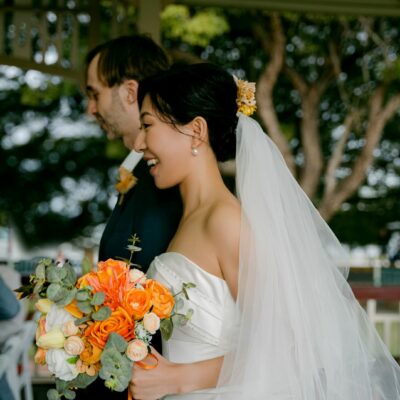
Transparent budget conversations with your loved ones ensure a seamless celebration without any financial surprises. Bedroom Studio – Photography and Videography
The average Australian wedding party now consists of eight to ten people, including the couple themselves. With more people to consider, clear communication is vital. There are typically three ways to handle these expenses:
Current trends show that wedding planning is becoming more evenly shared between partners. This collaborative spirit should extend to your bridal party. Finalise your budget early and be transparent about expectations to avoid stress later in the journey.

Coordinated looks are now more common than identical ones, with many couples splitting the costs of dresses and suits. Model Chic
Outfits are one of the largest investments for any wedding party. This includes dresses, suits, and shoes.
The average cost of bridesmaid attire in Australia is currently $645. However, there has been a major shift in how this is handled:
For the groomsmen, formal wear averages $2,102 nationally. Most people (59%) choose to purchase their suits rather than hire them. Because a suit is often a reusable investment, many couples ask their groomsmen to cover this cost or pay for the suit while the couple provides the accessories like ties or cufflinks.

While trials are essential for setting expectations, professional hair and makeup remain a popular investment for the bridal party. Tanya Artistry
Professional hair and makeup services are a staple of the wedding morning, with 85% of couples booking professional artists. The national average for these services is $992.
Traditionally, if the couple requires a specific professional look, they cover the cost. We see that 85% of couples also book a trial to ensure the look is perfect before the big day. If hair and makeup are optional, it is acceptable to ask bridesmaids to pay if they choose to use the professional service. However, personal beauty treatments like spray tans, nails, or waxing are almost always paid for by the individuals.

These festivities are typically organised and funded by the wedding party as a shared gift to the couple. My Ultimate Bucks
These celebrations are firmly in the “wedding party pays” category. 67% of couples celebrate a hen’s or buck’s party, and these events are increasingly becoming multi-day experiences.
Standard practice is for the wedding party to organise and cover the costs of planning, decorations, and the couple’s portion of the event. Guests then pay their own way for meals, drinks, and activities. Given that many of these events now span entire weekends, it is important to keep your wedding party’s financial situation in mind during the planning phase.
There is no “right” way to split the bill, but there is a “smart” way. Most couples (69%) receive some form of financial help from family or friends to fund the wedding. Whether you are using those funds to cover your bridal party or asking them to contribute, transparency is your best tool.

Ready to build your budget-savvy dream team?
Our directory is designed to help you find high-quality services that respect your bottom line
Categories: Beauty Services, Best Man, Bridesmaids, Formal Wear, Hens Nights & Bucks Parties, The Bridal Party
The ultimate wedding day beauty timeline, from wake-up to aisle
 Wedding makeup trends we are loving
 Nail the brief! Bridal nail trends for 2025