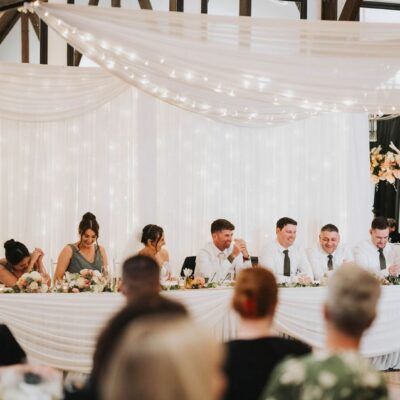
 The art of wedding draping: big impact without overdoing it
By Frankie David · October 6, 2026
For many couples we see, deciding what to craft by hand and what to hand over to professionals is one of the first major decisions in wedding planning.
Committing to DIY can be a brilliant way to bring your personal vision to life, infuse your day with individual character, and manage costs. However, taking on too much manual labour can quickly turn pre-wedding excitement into unnecessary setup stress on the morning of your celebration.
The secret to a seamless event is not choosing between complete DIY or full professional styling. It lies in a practical hybrid approach: handling the tactile, personal details yourself, while partnering with experienced suppliers to safeguard your peace of mind.
Here is how to strike that balance without losing your sanity.

Every wedding detail. One app. Completely FREE.
Budget, guests, checklist and more, all in one place.
Signage and stationery are natural entry points for DIY planning. Designing your own welcome signs, place cards, or menus gives you total control over typography and styling.

Professional printers like The Perfect Signage elevate your custom artwork with durable, high-impact materials designed for seamless event displays.
Atmosphere is built through layers. Bringing in personal decor adds warmth, but hanging overhead elements or dressing dozens of tables hours before your ceremony is a recipe for exhaustion.

Professional venue stylists like Revelry handle complex marquee setups, lighting distribution, and dining layouts so your space looks flawless
Florals bring a venue to life, but they are time-sensitive, living elements. Working with fresh blooms requires proper hydration, cool storage, and precise floristry mechanics.

Expert florists like I Do Crew craft cohesive, structural arrangements using techniques that keep delicate blooms fresh throughout your event.
If you choose to create multiple DIY elements, hiring a day-of coordinator or event manager is one of the smartest investments you can make.
A coordinator takes your handcrafted decor, signage, and styling boxes off your hands prior to the wedding day. They oversee supplier arrivals, arrange your DIY elements exactly as you envisioned, and manage the timeline so you can focus entirely on enjoying your celebration.

A dedicated coordinator like Claire Victoria Wedding Design oversees supplier arrivals and place setting setups on the morning of your wedding, keeping your day on schedule.
Deciding whether to DIY comes down to time, skill, and how you want to feel on your wedding morning. Embrace hands-on projects where they add true sentiment, but lean on vetted professionals for technical, high-stress details.
Ready to build your team of wedding professionals?
Explore verified florists, venue decorators, and event hire specialists
Categories: Wedding Decorations, Wedding Caterers
The art of wedding draping: big impact without overdoing it
 Wedding arbour ideas from real florists
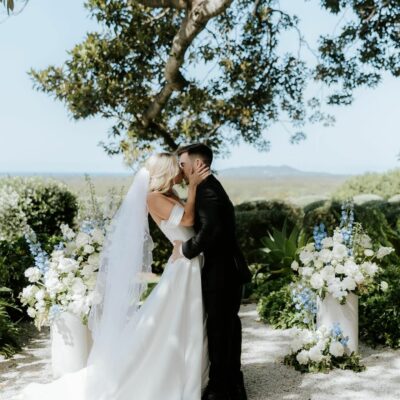 8 things to include in a garden wedding