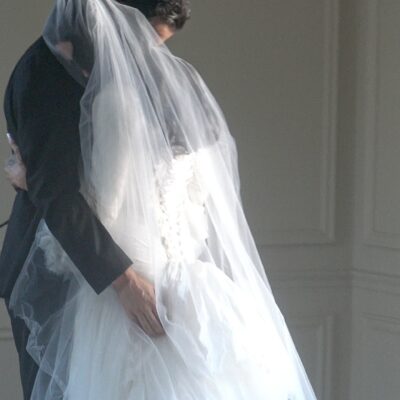
 Gabbriette and Matty Healy prove wedding music is whatever you want it to be
By Frankie David · August 20, 2026

Your wedding first dance is one of the most iconic moments of your reception, but it can also feel like one of the most nerve-wracking. Whether you want a simple, romantic sway or a fully choreographed routine complete with lifts and sparklers, there is no single right way to approach your wedding dance.
Here is everything you need to know about planning, preparing, and executing a first dance that feels authentic to you.

Every wedding detail. One app. Completely FREE.
Every wedding detail. One app. Completely FREE.
The short answer is no. Your wedding reception should reflect your personal comfort level, not a list of rigid expectations.
Many couples we see choose to skip the formal dance entirely, particularly if being the center of attention on a dance floor feels uncomfortable. However, if you are on the fence, keep in mind that a first dance offers a rare moment during a packed evening to slow down, connect with your partner, and officially mark the start of your celebration.
If you love the concept but feel hesitant, consider these practical tweaks:

A dramatic reception entrance or high-energy opening sequence sets a lively, celebratory tone for the night. Image: The Wedding Dance AU
Deciding whether to take professional dance lessons or practice at home comes down to your budget, time, and overall confidence on the floor.
If you both feel comfortable moving to music and want a simple sway with a few basic turns, practicing at home is a straightforward option.
If you want a custom routine, wish to incorporate dips or lifts, or feel completely uncoordinated, working with a professional is a worthwhile investment.

Professional instruction helps couples master technical elements like dips and posture with complete confidence. Image: Dance 4 Your Day
Starting your dance preparation early ensures you feel confident without adding last-minute stress to your planning schedule.

Consistent rehearsal builds muscle memory, allowing you to relax and enjoy the moment together on the floor. Image: David Smile Dance
Your chosen track sets the tone for the entire dance. While traditional ballads remain popular, upbeat tracks, acoustic covers, and custom song edits are used just as frequently.
When selecting your song, keep these details in mind:

Matching your song tempo to your natural movement makes twirls and steps look effortless. Image: Dance With Taryn
Even with weeks of preparation, dancing on the night can feel quite different due to venue lighting, wedding attire, and live performance conditions. Keep these practical tips in mind:
Heavy trains, long veils, and fitted suits can restrict movement. Remember to bustle your train before walking onto the floor, and ensure jackets allow for comfortable arm extension.

Checking that your dress bustle and suit jacket allow full movement ensures smooth execution for big dips. Image: Fiesta Loca Central Queensland
If your routine features dramatic lifts, safety comes first. Rehearse these moves until they feel second nature so both partners feel completely secure in front of their audience.

Lifts require precise timing and practice to ensure both partners feel supported and stable. Image: The Next Step Co.
Let your creative team know key moments in your dance ahead of time. If you have a planned lift, dip, or dramatic turn, give your photo and video team a heads-up so they can position themselves for the shot.

Giving your media team a heads-up on key turns allows them to capture beautiful movement shots. Image: Shane Keri Dance
If you lose your footing or miss a step, keep moving. Guests rarely notice minor missteps unless your expression gives it away. Simply laugh it off, make eye contact, and pick up the rhythm again.

Focusing on your partner keeps the moment personal and grounded, even if a step does not go strictly to plan. Image: Dance Lessons by Canon Dance House
If a traditional slow dance does not fit your personality, there are plenty of alternative ways to open the floor:

An energetic entrance routine brings immediate fun into the room before the main party starts. Image: The Wedding Dancer

Special effects like indoor cold sparklers add impact to your final pose. Image: Your First Dance Co
Your first dance should be an enjoyable moment during your reception, not a source of stress. Whether you spend months practicing a detailed routine or keep it simple with an unchoreographed sway, the goal is simply to enjoy the moment together as newlyweds.
Ready to book a few private dance lessons?
Explore our trusted wedding dance instructors and entertainment professionals
Categories: Wedding Music
Tags: Dance, dancing, first dance, wedding dance, Wedding waltz
Gabbriette and Matty Healy prove wedding music is whatever you want it to be
 23 fun cocktail hour ideas your wedding guests will love
 Wedding reception music: the ultimate dos and don’ts