
 Paul Wheeler knows the perfect beat to your wedding
By Frankie David · February 23, 2026

Staring at a blank page while trying to summarise your entire love story? We feel you. The good news is that AI can be a surprisingly great vow-writing assistant if you give it the right prompts. Whether you are poetic, practical, or panic typing the night before, you can absolutely use AI to help you write vows that feel like you.
That said, no algorithm can read the room, calm the nerves, or tell your story with warmth and authenticity quite like a great celebrant. A skilled marriage celebrant brings real human connection, shaping your words, guiding the moment, and making sure your ceremony feels personal.
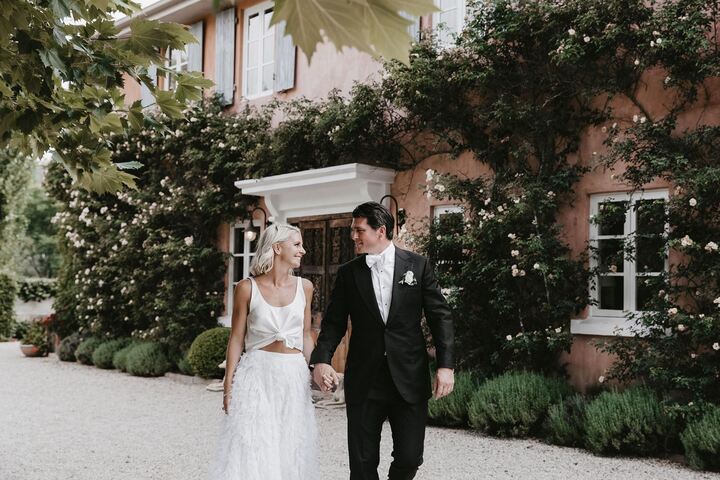
Before you even open a chat window, think about the vibe. Your vows do not have to be a full autobiography. They mostly need to do three things.
They should show who you are as a couple.
They should acknowledge how far you have come.
They should make a few real, grounded promises about the future.
Everything else is just seasoning. Romance, jokes about their snoring, that one story about the disastrous first date, those are all optional extras. Once you know what you are aiming for, AI becomes a tool, not the writer.
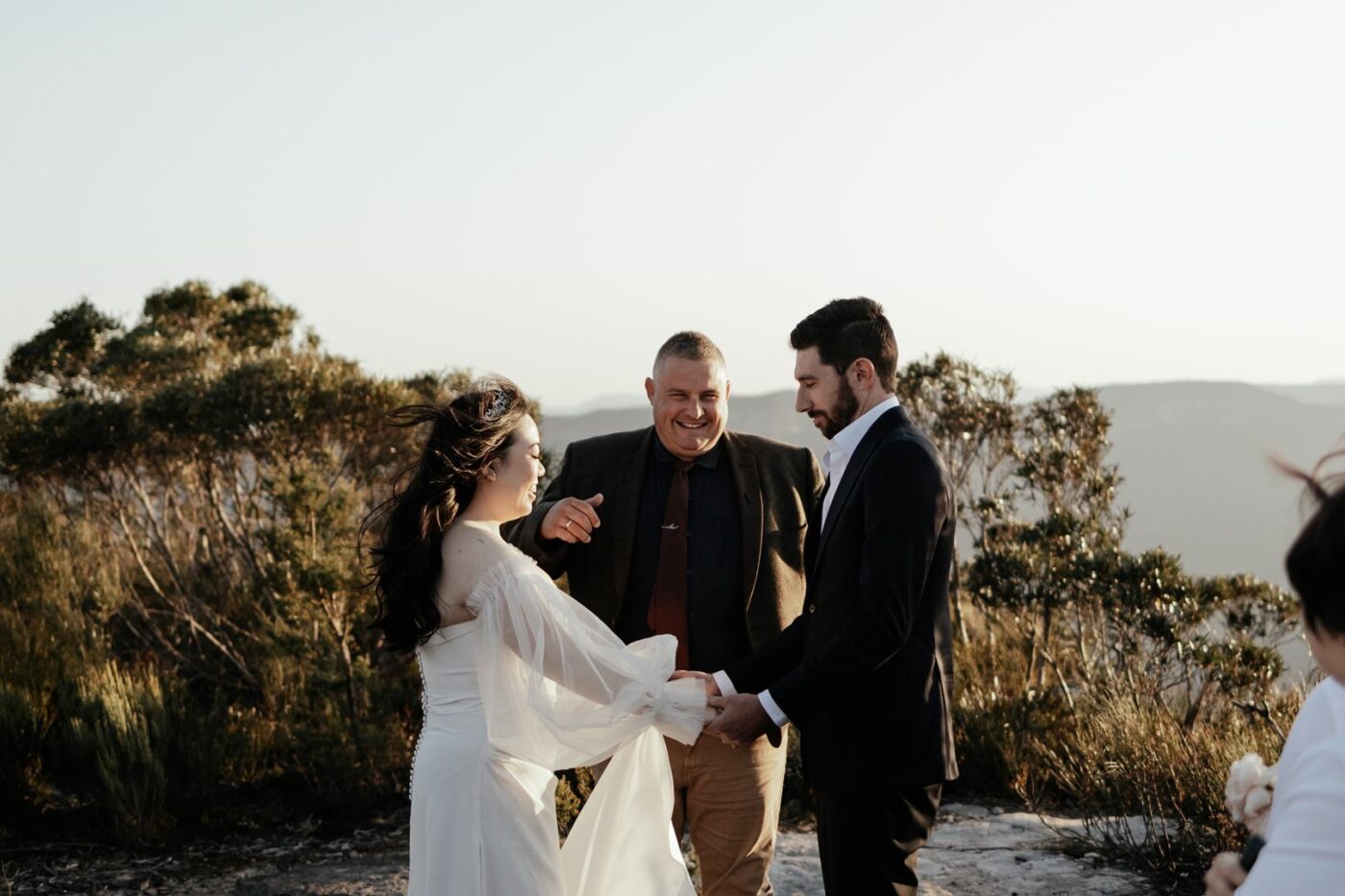
AI is very good at a few specific things.
It can pull structure out of chaos.
It can turn your rambling dot points into something that sounds like a real paragraph.
It can offer variations so you can pick what feels right.
What it cannot do is magically know your partner or your relationship. If you feed it nothing but “write romantic vows for my wedding”, it will give you something that sounds like anyone could have written it. The magic comes from the details you give it.
Think of AI as the friend who helps you phrase things better, not the person delivering your vows for you.
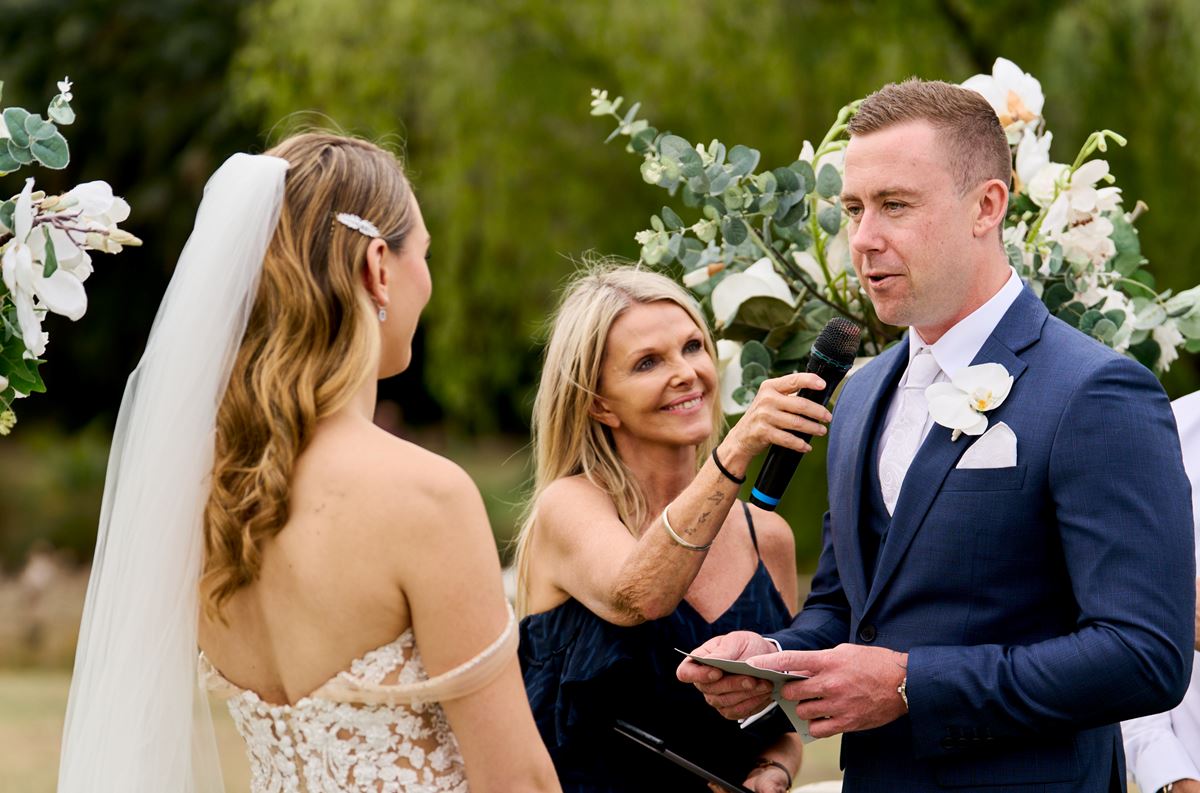
Open your notes app and answer a few questions in messy, unfiltered sentences. No one else has to read this.
You might jot down:
Once you have this, you can paste it into AI and say, “Use this.” That is when it starts to feel like your vows, not a generic poem pulled off the internet.
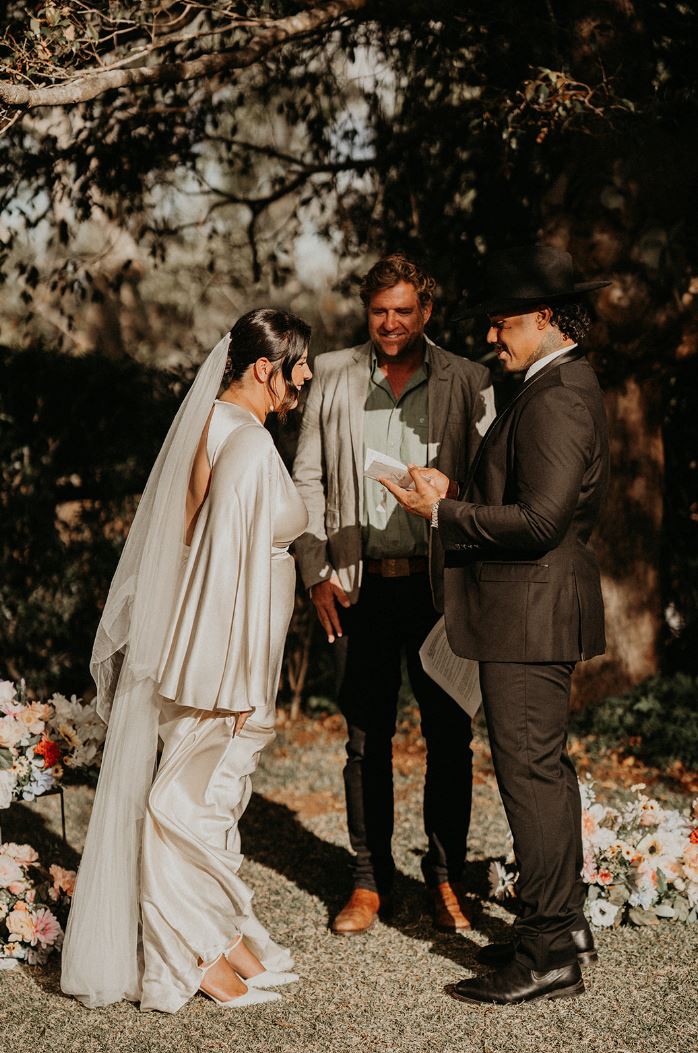
You can literally copy and paste these into AI, then add your own details in the brackets. The more detail you include, the better the result.
“I am writing wedding vows for my partner, [name]. We met [how you met] and our relationship is [a few words, for example long distance then finally living together, we have a toddler, queer late in life love, etc].
Here are some memories and details about us:[Paste your brain dump here.]Please suggest a heartfelt, story based set of vows in my voice. I want it to feel warm, modern and specific to us, not formal or old fashioned.
Include:
This tells AI exactly what shape you want, so you do not get a single over-the-top paragraph that says nothing.
Not everyone wants a five-minute emotional monologue. If you like it short and neat:
“I am writing short, simple wedding vows for my partner, [name]. I want them to be sincere but not overly flowery.
Here are some details about us: [Paste notes.]
Write vows that are under 250 words with:
If the first version still feels too big, ask AI to “cut this by half and keep it simple and conversational.”
If you are the couple who laughs through everything:
“I want to write light-hearted wedding vows for my partner, [name]. We love teasing each other and we do not take ourselves too seriously, but I still want it to feel romantic underneath the jokes.
Here are some details about our relationship and our in jokes:[Paste notes.]
Write vows that:
You can always dial the humour up or down. If it feels cringe, say, “Make the jokes subtler and a bit drier.”
If you have left this to the last minute, do not panic. Keep it ultra practical:
“I am writing my wedding vows the night before the wedding. I need something sincere and clear that I can actually deliver without crying or stumbling. Here are key points I want to cover:
Write a set of vows under 200 words, in very plain, conversational language that sounds like something a normal person would actually say out loud.”
Then ask AI to format it with line breaks that make it easy to read on a card.
Once AI gives you a draft, your job is to mess it up a little so it sounds like you.
Read through and circle anything that feels too generic, for example, “you are my rock” or “our love is my greatest gift.” Replace those lines with something only you would say. It might be:
“You are the person I want to debrief every weird work email with.”
“You are the only person who can make me laugh when I am crying on the kitchen floor.”
Say the vows out loud. Anywhere you trip over the phrasing, simplify it. You are not submitting a university essay. You are talking to your person.
If you keep editing and it gets worse, paste the updated version back into AI and say, “Keep this structure but smooth the wording so it flows when spoken out loud.”
A few things are better written by you, even if they stay scrappy.
Use AI for polish, flow and structure. Keep the raw heart bits yourself.
Once you have a version you are happy with, run through this:
If you can tick those off, you are good. Print them, write them on a nice card, or save them in a notes app, just do not rely on your screenshot staying in your camera roll forever.
You do not need to be a poet to write beautiful vows. You just need a few honest thoughts, some decent prompts and the courage to sound like yourself.
The rest, AI can help with.
Paul Wheeler knows the perfect beat to your wedding
 The expert in authentic, ritual-rich ceremonies: Civil Celebrant Felicity
 Our top three wedding planners to watch in 2026