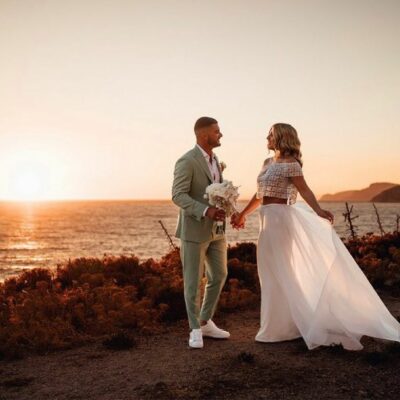
 14 unconventional – but beautiful – wedding gowns
By Frankie David · August 26, 2026
Designing a custom wedding dress is one of the most rewarding decisions you can make during wedding planning. It guarantees a look that fits your frame precisely, reflects your personal style, and exists nowhere else.
It can also feel like unfamiliar territory if you have never worked with a designer before. At Easy Weddings, we see thousands of brides navigate the custom design journey every year. To help you approach the process with clarity and confidence, here are the core principles to keep in mind when designing your dream gown.
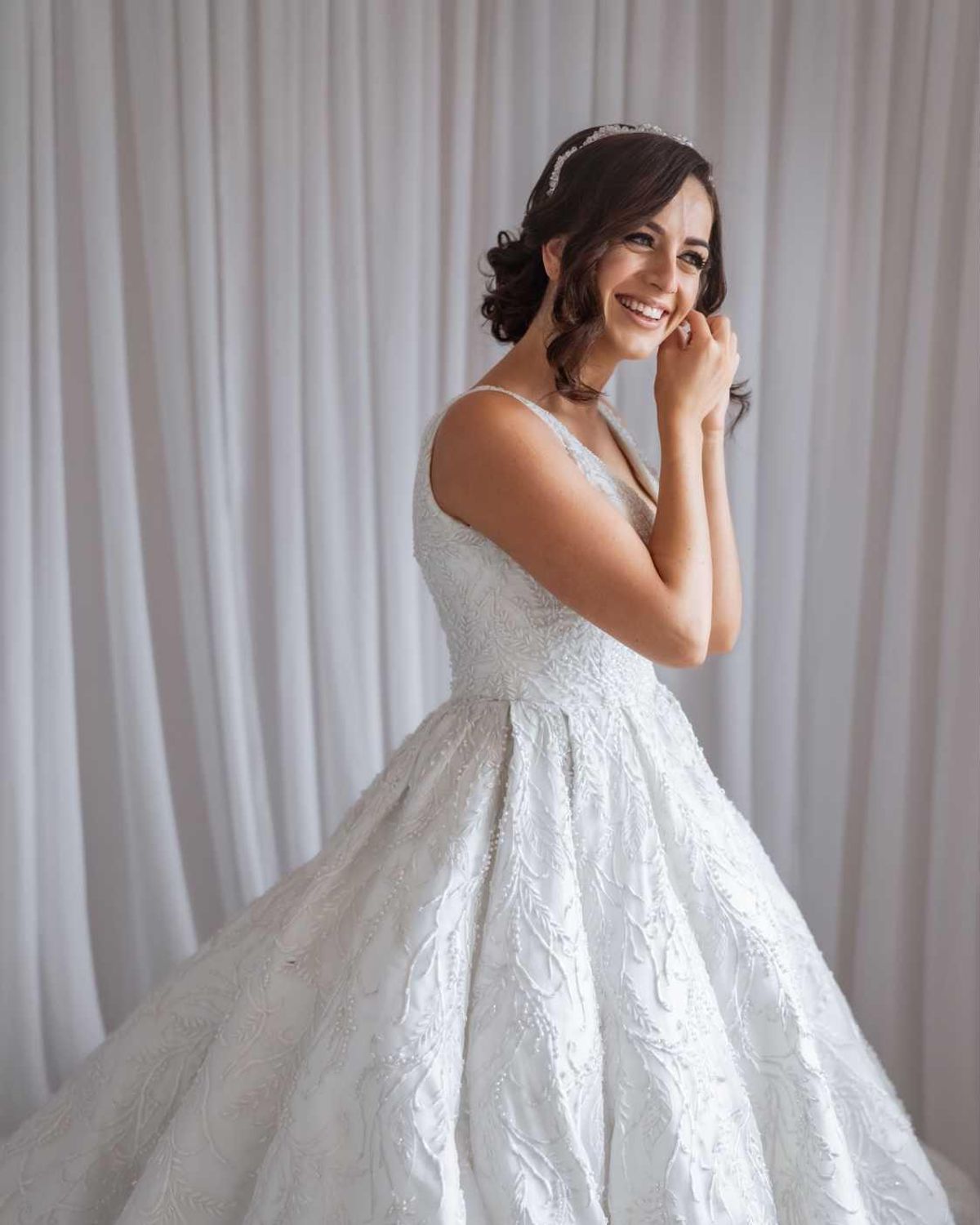
Designing your own gown does not necessarily mean starting from a blank sheet of paper. Understanding the different levels of customisation helps set realistic expectations for both your timeline and budget early on.
For instance, established Sydney couture studio Bridal Secrets, run by sister design team Liza and Shirley, offers two distinct custom options:

Before setting foot in a design appointment, compile a collection of images that highlight specific details rather than full, completed looks. Saving dozens of photos of entirely different dresses often leads to a cluttered vision.
Focus on individual elements instead, such as preferred necklines, sleeve cuts, fabric textures, or skirt silhouettes. Designers like Liza and Shirley use these focused references during initial consultations to narrow down structural feasibility before drawing up a sketch.

A design idea might look incredible on a mood board, but fabric behavior dictates whether it functions in real life. Heavy mikado structures a gown quite differently from silk crepe or delicate beaded tulle.
Trust your designer’s guidance when selecting materials. An experienced couturier evaluates how a chosen fabric will drape, move, and hold its shape. They will also factor in practical details like your venue and the season, ensuring your chosen fabric works for the setting as well as the aesthetic.

Even if you have your heart set on a specific cut, try on a variety of sample gowns in person before confirming a custom design.
A silhouette on a model or social media feed rarely translates the same way across different body types. Visiting a physical showroom, such as the Bridal Secrets boutique in Wetherill Park, to try on sample gowns in fit-and-flare, A-line, or ballgown cuts provides immediate clarity on what feels comfortable and flattering on your frame.

The couture process relies heavily on structured fittings, usually starting with a canvas or cotton mock-up (a toile) to refine the fit before cutting into your final fabric.
Because body measurements naturally shift during wedding planning, fitting flexibility is essential. While many standard boutiques limit alterations to two or three sessions, studios like Bridal Secrets build unlimited fittings into their custom service. This ensures the dress is adjusted as many times as necessary until the fit, comfort, and movement are seamless.

Veil lengths, shoe heights, and accessories all directly impact how your dress hangs and functions on the day.
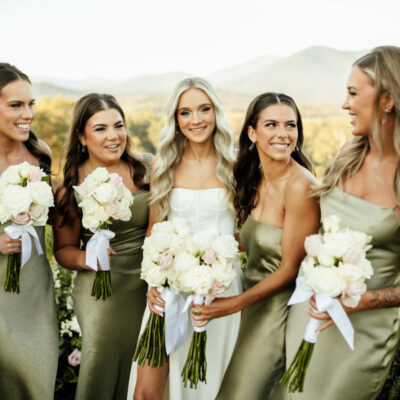
Working with a studio that offers complete bridal styling streamlines this process significantly. Studios like Bridal Secrets provide custom veils, accessories, and matching gowns for bridesmaids, flower girls, and mothers of the bride. Designing these elements in tandem with your main gown ensures fabrics, tones, and proportions match perfectly across your entire bridal party.

Clear, direct communication is the key to achieving the exact dress you envisioned. Never hesitate to speak up or ask questions during your fittings.
If a seam feels restrictive, a neckline feels too low, or an element does not look the way you expected from the initial sketch, let your designer know immediately. Sister-led teams like Liza and Shirley emphasize a welcoming, zero-pressure atmosphere so brides feel completely comfortable speaking up. Making adjustments early in the construction phase is straightforward, whereas last-minute changes right before final collection can cause unnecessary stress.
Categories: Wedding Dress Designers, Wedding Dresses
14 unconventional – but beautiful – wedding gowns
 How much does your wedding dress cost?
 The best hairstyle for your wedding dress neckline