
Many couples dream of getting married in Spain, but that’s easier said than done, because the reality of the Spanish climate and local calendar may give you one or two things to consider.
From the sun-drenched beaches of the Costa del Sol to the rolling vineyards of La Rioja and the historic charm of Andalusia, Spain offers a diverse range of microclimates. Choosing the right month is about more than simply avoiding rain. It’s about capturing the specific light, scent, and atmosphere that will define your celebration.
“Should we consider shoulder seasons for our Spain destination wedding?”
Experienced wedding planners often swear by the shoulder seasons: late spring and early autumn. During these months, you get the best of both worlds. That is, pleasant, predictable weather and fewer tourists to contend with.
May and June
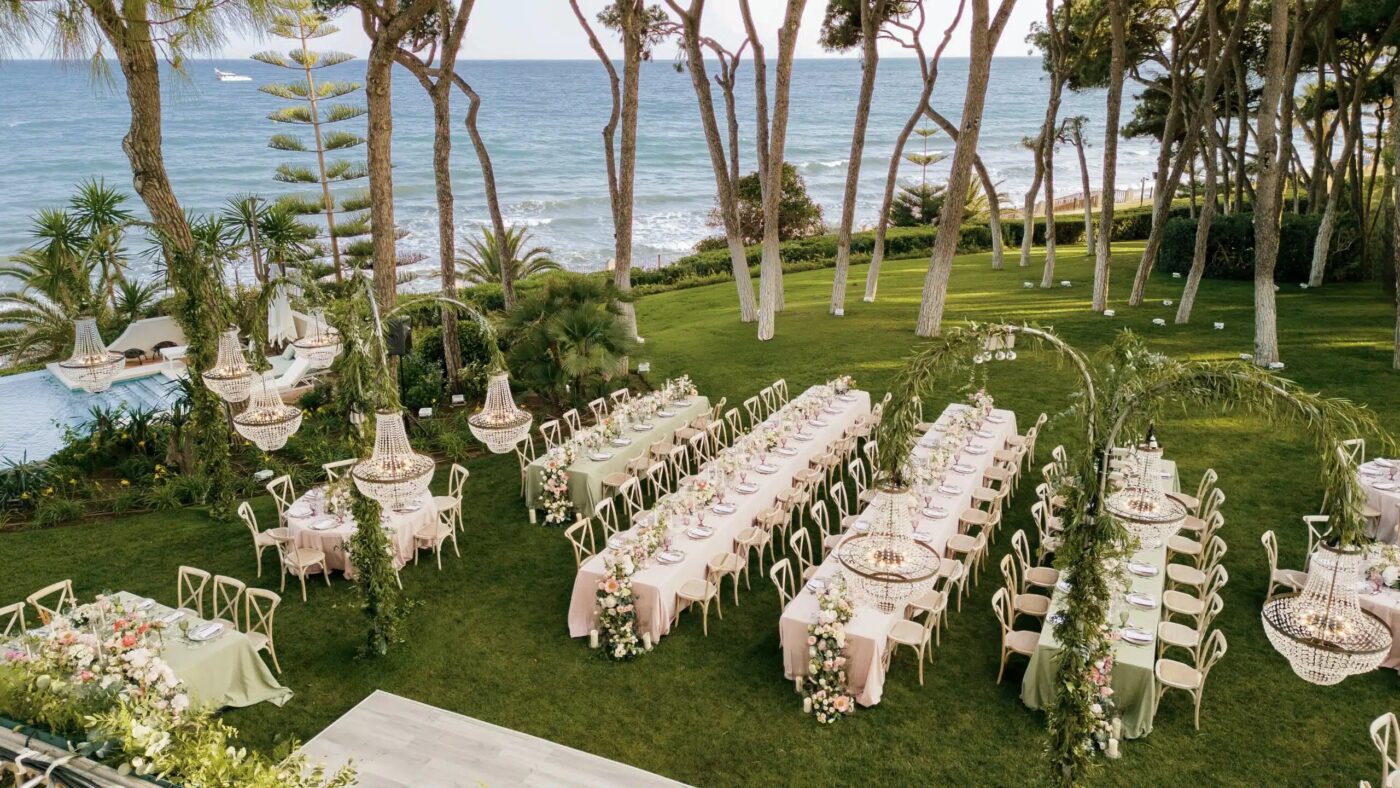
Late May through early June is one of the most picturesque times to wed in Spain. Across the country, vineyards, gardens, and estates are bursting with colour, while temperatures sit comfortably between 20°C and 25°C, perfect for mid-afternoon outdoor ceremonies.
Historic villas and coastal resorts showcase gardens and terraces in full bloom, providing breathtaking photo opportunities. Long daylight hours let celebrations transition smoothly from ceremony to dinner under glowing twilight skies. It’s a season of fresh energy, with venues fully ready to host events but without the crowds of peak summer tourism.
September
September is widely celebrated as Spain’s “Golden Month” for weddings. With August’s intense heat waning, the countryside basks in a gentle, golden glow. Temperatures stay pleasantly warm, ideal for sleeveless gowns and alfresco dining, while humidity is much more comfortable than mid-summer.
Vineyards, rural estates, and coastal towns take on extra romance as harvest season begins in regions like La Rioja and Priorat. The soft September light is perfect for photography, casting a warm, bronze hue that highlights the rich colors of Spain’s landscapes.
Is mid-year too hot for a Spanish destination wedding?
July and August are the most popular months for travel, but they require careful logistical planning for a wedding. These months are characterised by intense heat, particularly inland.
July
July is ideal for couples dreaming of a quintessential, sun-drenched Spanish summer. Think poolside welcome drinks, beachside vows, and evening celebrations that linger under warm skies. Yet, the heat can be intense—especially in Seville and Madrid, where temperatures often climb to 35–40°C.
To beat the high sun, savvy couples plan ceremonies later in the day, around 5 pm or 6 pm. This not only cools things down for guests but also softens the light, creating perfect conditions for stunning photographs.
August
August can be a tricky month for a Spanish wedding. The weather is reliably hot and sunny, but it overlaps with national holidays, including Ferragosto-style festivities along the coast. Many small, family-run vendors may also close for part of the month.
Coastal hotspots like the Costa del Sol, Ibiza, and Mallorca are at their busiest, making early planning crucial. Booking accommodations, transport, and key suppliers well in advance is essential to ensure your celebration goes smoothly amid the summer crowds.
Should I book my Spanish destination wedding in autumn or winter?
For couples who want something distinctive and perhaps a little more intimate, the cooler months in Spain offer a unique kind of magic.
October
By October, Spain’s landscapes shift into rich autumnal hues, especially in inland vineyards and olive groves. This is a magnificent time for a wedding in rural estates, historic fincas, or seaside resorts. While the evenings are cooler and may require a light jacket or shawl, the days remain pleasantly mild, often in the low-to-mid 20s°C.
There is a quietness to the countryside and smaller towns that feels very private and exclusive. This is also an excellent time for food lovers, with seasonal produce like roasted peppers, mushrooms, and freshly pressed olive oil making an appearance on menus.
The winter months
While outdoor weddings are less common from November through March, Spain’s historic hotels, palaces, and coastal resorts provide a stunning backdrop for indoor celebrations.
A winter wedding in a city like Madrid, Barcelona, or Seville offers a level of sophistication that is hard to beat. Couples can enjoy lower venue fees and greater availability, along with the undivided attention of local suppliers. There is something incredibly romantic about a candlelit ceremony inside a centuries-old building while the winter sun sets over Spain’s picturesque streets.
Regional considerations for your Spanish destination wedding
The “best” time can vary significantly depending on where your heart is set.
The Northern Vineyards
Regions like La Rioja and Navarra have cooler, wetter winters, so weddings are best planned from May to September. Outside of these months, the air can be crisp, and many boutique hotels close for the winter.
Central Spain
Madrid and Castilla-La Mancha are beautiful from April through October. Inland heat in July can be intense, making venues with shaded courtyards or hilltop breezes highly sought after.
The Southern Coast
Andalusia, the Costa del Sol, and the Balearic Islands remain warm much longer than the north. Couples can often enjoy beach weather well into October, though some smaller coastal restaurants and ferry services may reduce hours after September.
How to plan for the unexpected for your Spanish destination wedding
Whenever it is you plan your Spanish wedding for, a reliable backup plan is essential.
Even in peak summer, a sudden Mediterranean shower can appear, so make sure your venue offers an indoor space or marquee that’s just as appealing as your outdoor setting.
Timing your wedding in Spain is about juggling logistics, comfort, and atmosphere. From May’s fresh blossoms to July’s sun-soaked energy or September’s golden harvest glow, Spain offers an unforgettable backdrop to start your life together.
 How do you get legally married in Spain for a destination wedding?
  What part of Spain is best for a destination wedding?
  Symbolic destination weddings and legals only ceremonies: Why they’re so popular