
 10 wedding band trends you’ll want to save for 2026
By Content Team · November 28, 2025

Lab grown diamonds have become one of the biggest talking points in the engagement ring world. For some couples, they feel like a modern, values-driven alternative. For others, nothing replaces the romance of a natural stone formed deep within the earth.
So what’s the real difference? And how do you decide which option is right for you?
We spoke to jeweller Ernesto Buono for expert insight, and unpacked the key factors couples should consider before choosing their centre stone.
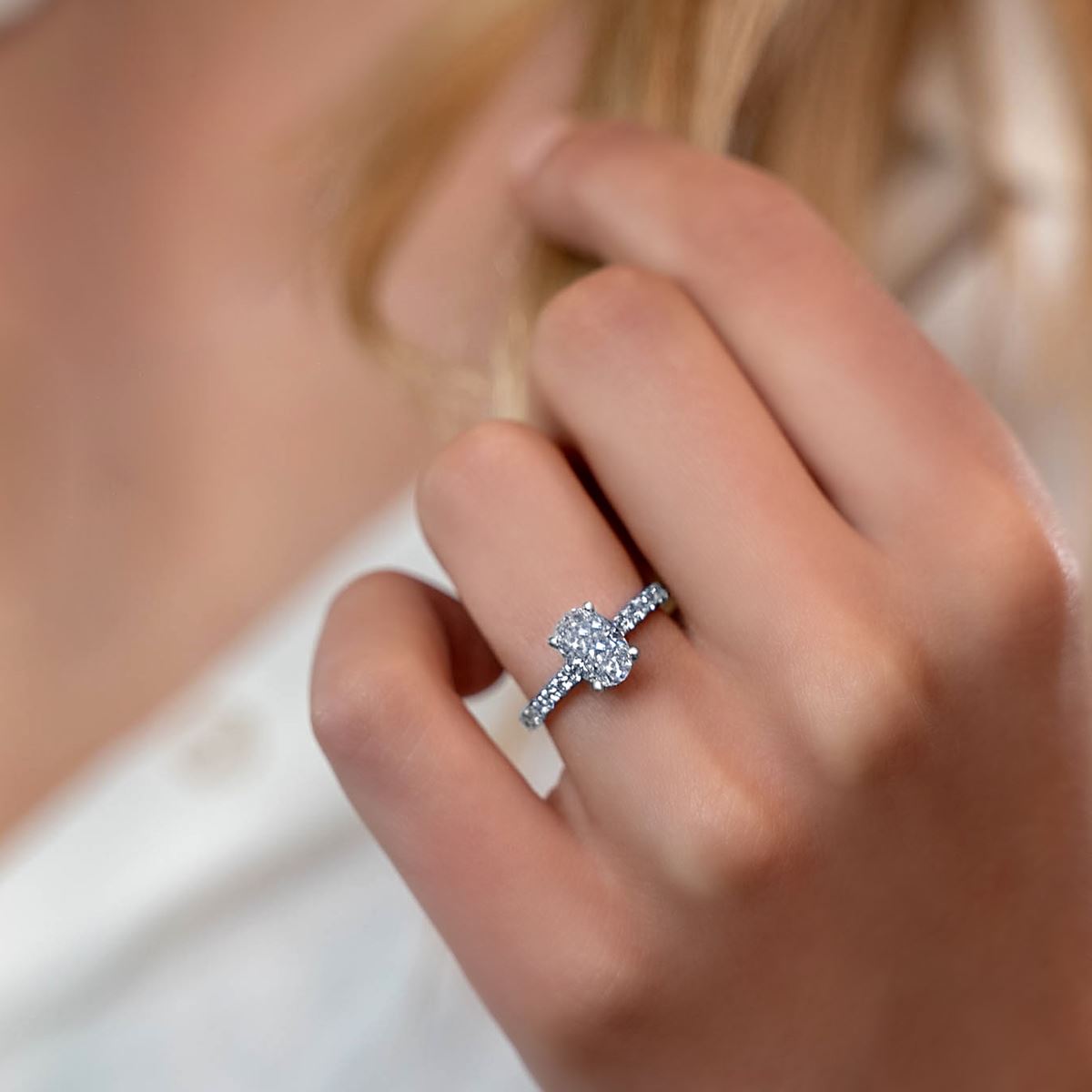
There’s often confusion around what “lab grown” actually means. Are they fake? Are they synthetic? Are they the same as cubic zirconia?
Ernesto explains it simply:
“In simple terms, a lab grown diamond is crystallised carbon created in a laboratory. It’s the same material as a natural diamond, the same hardness, the same light performance, the same chemical structure, but instead of taking a billion years under the earth’s pressure and heat, it takes about two weeks in a controlled environment.”
He continues:
“Mother Nature creates a diamond deep within the earth under intense pressure and temperature, often brought closer to the surface through volcanic activity. In a lab, we replicate those same conditions. The process is different, but the end product is chemically identical.”
To visualise the difference:
“It’s like water from the North Pole versus ice made in your freezer. The freezing pattern might be different, but ice is still ice. With diamonds, a machine can tell the difference between natural and lab grown, the human eye can’t.”
In short, lab grown diamonds are real diamonds. They are not simulants. The distinction lies in origin, not composition.

Ethics and sustainability: is one better?
For many couples, the decision isn’t just financial, it’s ethical.
Ernesto notes that this conversation is often more nuanced than it first appears:
“A lot of couples come in concerned about ethics, they want to make sure their purchase aligns with their values. For some, that’s a big driver toward lab grown diamonds. But the ethical conversation is more complex than people realise. Natural diamonds support infrastructure and economies in developing countries. Mining creates jobs and entire communities rely on that industry.”
He also points out that lab grown production carries its own environmental considerations:
“Lab grown diamonds also require a significant amount of energy to produce. People often assume they’re automatically the more sustainable choice.”
And for some couples, the social impact of mining matters:
“Some couples would rather know their purchase is supporting communities and responsible mining initiatives, rather than buying a lab grown diamond manufactured overseas.”
From a neutral perspective, both industries are evolving. Responsible mining certifications, traceability initiatives and renewable-powered lab production are becoming more common. If sustainability or ethics is important to you, it’s worth asking detailed questions about sourcing and production rather than assuming one option is automatically better.
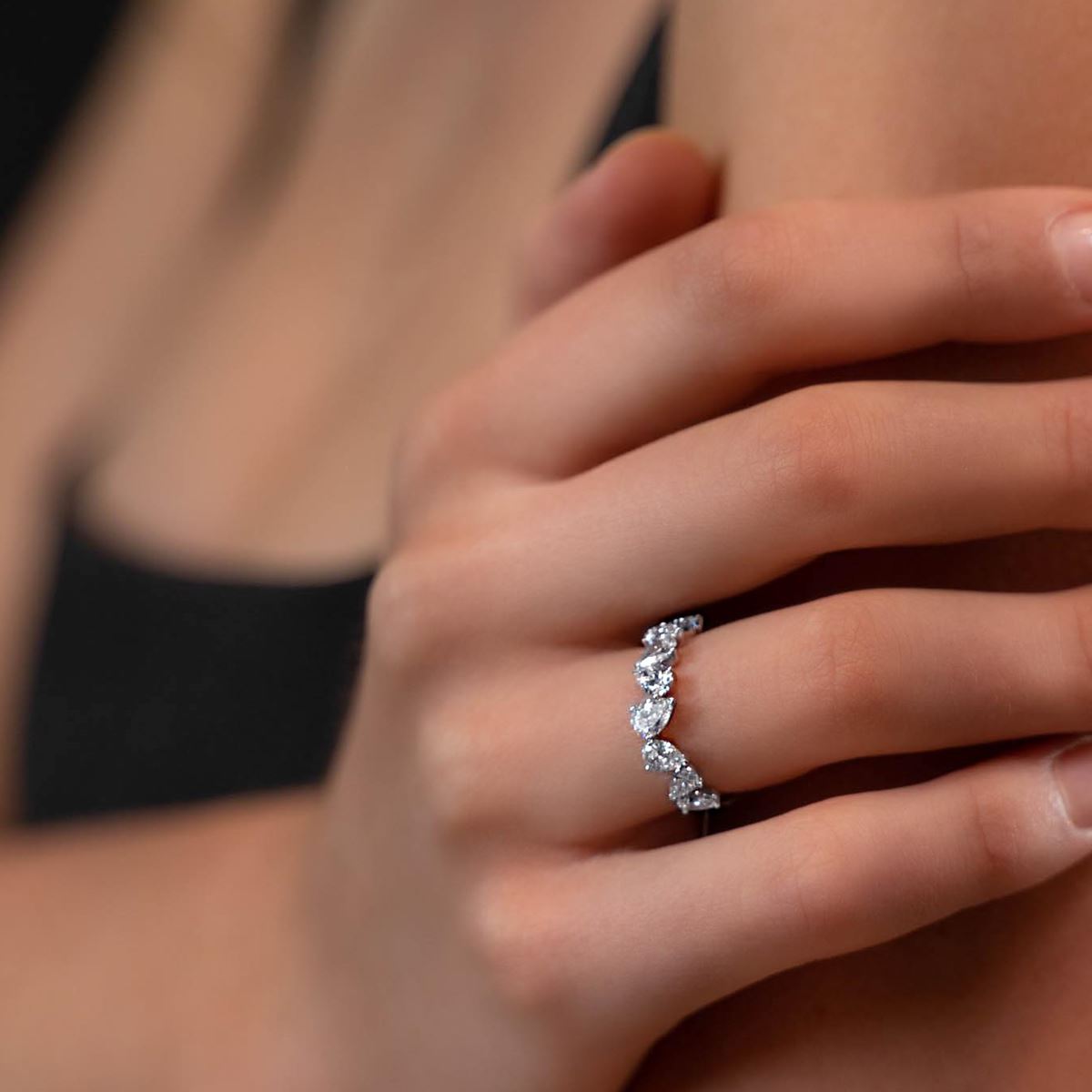
Visually, there is no noticeable difference.“Visually, there’s no difference to the naked eye. A lab grown diamond has the same sparkle, the same hardness, and will last just as long as a natural diamond.”Both types of diamonds rate 10 on the Mohs scale of hardness and are suitable for everyday wear.
Where they diverge most significantly is in rarity and long-term value.“The biggest difference is rarity, and rarity is what underpins value. Natural diamonds, especially larger stones over three or four carats, are rare. That rarity drives price.”
“Lab grown diamonds are much easier to produce, which means they come at a fraction of the price. But because they can be made in large quantities, they don’t hold value in the same way.”
Ernesto adds:
“We’ve seen lab grown diamonds depreciate more quickly because production has increased so rapidly. Natural diamonds, particularly larger stones, haven’t experienced the same level of price decline.”
There’s also been an interesting shift in buyer behaviour:
“Interestingly, when lab grown diamonds first became popular, everyone wanted a big three or four carat stone. Now we’re seeing some people shift back to smaller natural diamonds because of that rarity factor and long-term value.”
For couples focused purely on aesthetics and budget, lab grown can offer significant size for price. For those thinking about heirloom potential or long-term resale value, natural diamonds may feel more aligned.

What’s happening in the market right now?
The market has been dynamic in recent years.“The market has shifted in the past six months. Lab grown diamonds were growing quickly, but recently things have slowed down.”
He explains the pricing landscape:
“We’re currently at the bottom of the production price curve for lab grown diamonds. When you’re spending $3,000 on labour, gold and setting, the diamond itself becomes just one part of the total cost.”
Meanwhile, natural diamonds are seeing different patterns depending on size:
“For natural diamonds, we’ve seen some price softening in the smaller sizes, around 1.5 carats and under, but larger stones remain strong because they’re genuinely rare.”
This means your choice may also be influenced by what size stone you’re considering and how the broader market is performing at the time of purchase.

Ultimately, there’s no universal “right” answer.“It really comes down to budget and what feels right for you. We sell both. I don’t push one over the other.”
If size is a priority:
“If you want a larger look for a more accessible price point, lab grown diamonds are a fantastic option. You can get a beautiful, luxurious piece without stretching your budget.”
If rarity and origin matter more:
“If you have the budget and you value rarity and long-term significance, a natural diamond carries a story. It’s something that’s come through the earth over billions of years.”
And perhaps the most balanced takeaway:
“At the end of the day, both natural and lab grown diamonds are beautiful and durable. It’s about what matters more to you, size, rarity, budget, or the story behind the stone.”
10 wedding band trends you’ll want to save for 2026
 Handcrafted with love: A wedding ring masterclass with Larsen Jewellery
 The art of pairing your wedding band and ring